
The Birth of Gundam and Its Revolutionary Idea
Gundam is one of the most influential anime franchises in history, first introduced in 1979 with Mobile Suit Gundam. Created by Yoshiyuki Tomino and produced by Sunrise, the series completely changed how people viewed robot anime. Instead of portraying giant robots as superhero-like machines, Gundam introduced a more realistic concept where Mobile Suits were military weapons used in large-scale wars.
This shift helped define the “Real Robot” genre and set Gundam apart from earlier mecha series. The story of the original series, set during the Universal Century timeline, follows Amuro Ray and his control of the RX-78-2 Gundam during a brutal war between Earth and space colonies. Even though the series initially had modest ratings, it later became a cultural phenomenon thanks to reruns, movies, and model kits.

The Universal Century and Alternate Timelines
One of the most unique aspects of Gundam is its timeline structure. The franchise is divided into multiple universes, with the most important being the Universal Century (UC). This timeline includes classic entries such as Zeta Gundam, Char’s Counterattack, and Gundam Unicorn, forming the backbone of the entire franchise.
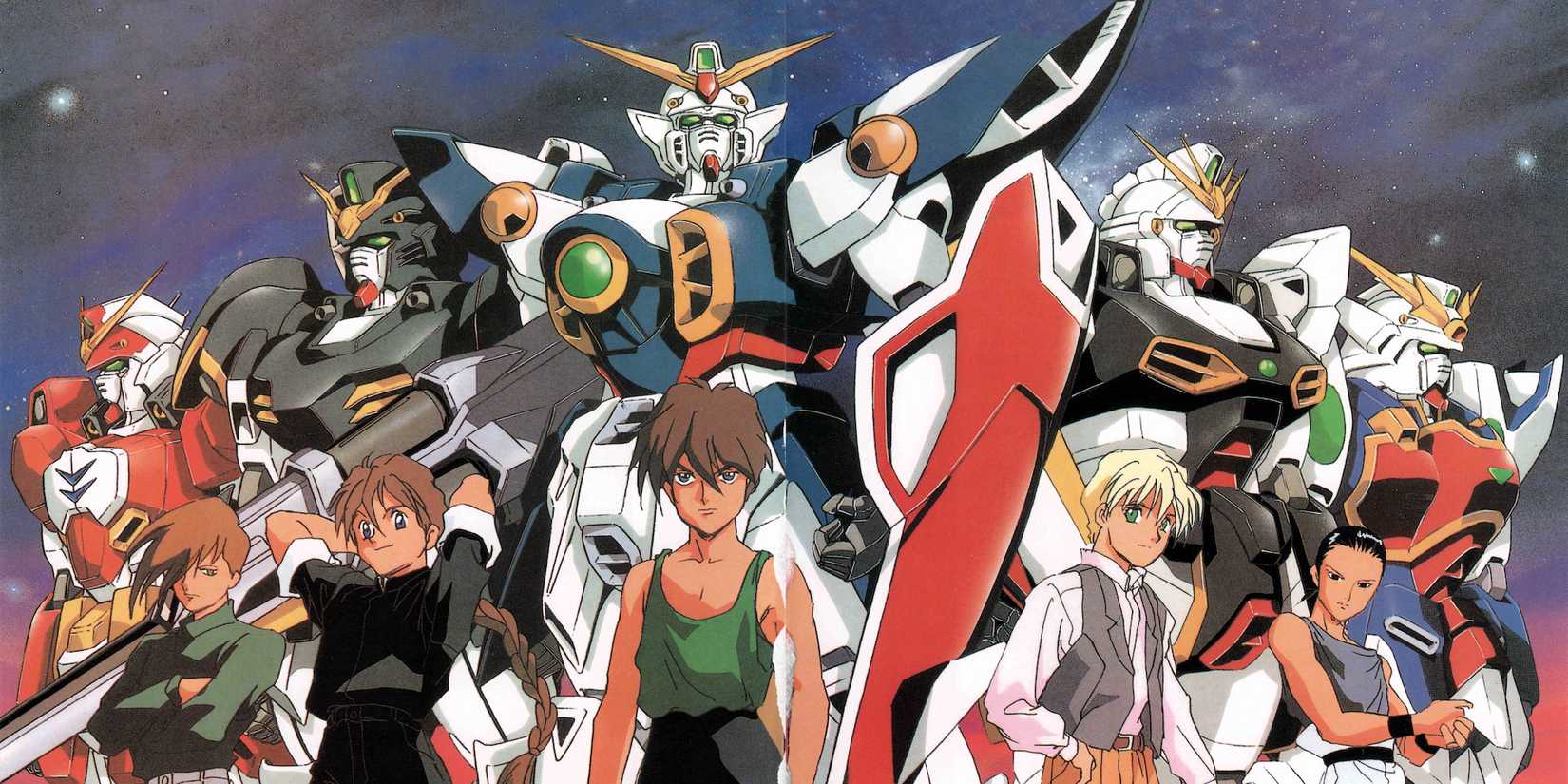
Alongside UC, Gundam also features Alternate Universe (AU) series that are completely independent stories. These include popular titles like Gundam Wing, Gundam SEED, Gundam 00, Iron-Blooded Orphans, and The Witch from Mercury. Each AU introduces new characters, Mobile Suits, and themes, making Gundam accessible to new viewers without requiring knowledge of older series.
Why Gundam Became So Popular Worldwide
Gundam’s global success is not just due to its action scenes or robot battles. The franchise is deeply rooted in storytelling that explores complex themes such as war, politics, morality, and human emotion. Instead of simple good-versus-evil narratives, Gundam often shows both sides of a conflict, making characters morally complex and realistic.
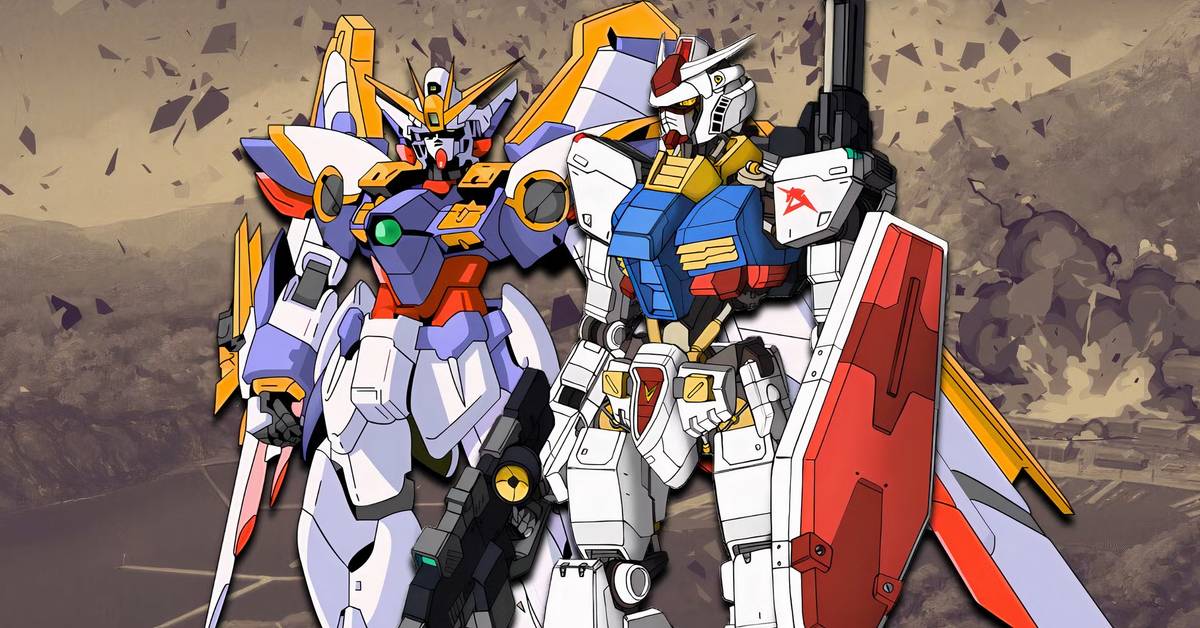
Another key reason for its popularity is its iconic Mobile Suit designs. From the RX-78-2 Gundam to the Zaku series, Wing Gundam, and Barbatos, each machine is carefully designed with unique aesthetics and personality. These designs have become cultural symbols in anime and are widely recognized even outside the fandom.
Mobile Suits and the Art of Mecha Design
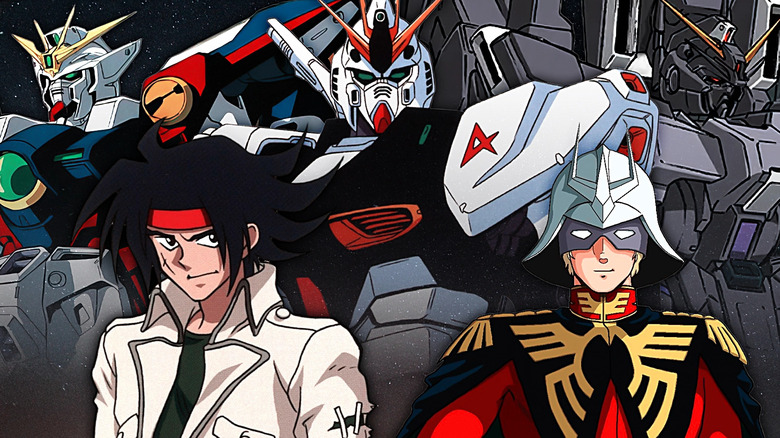
Mobile Suits are the heart of Gundam’s identity. Unlike generic robots, Gundam mechs are designed with realistic proportions, military functionality, and detailed mechanical structure. Each Mobile Suit serves a specific role in battle, such as close combat, long-range support, or high-speed maneuvering.
Famous Mobile Suits such as the Unicorn Gundam, Freedom Gundam, and Strike Gundam have become fan favorites due to their powerful abilities and striking designs. The evolution of these machines across different series also shows how Gundam continuously innovates while maintaining its core identity.
The Rise of Gunpla and Gundam Culture
One of the biggest contributions Gundam made to pop culture is Gunpla—short for Gundam Plastic Models. These model kits allow fans to build and customize their favorite Mobile Suits. Gunpla has become a global hobby, with millions of builders worldwide.
Gunpla ranges from beginner-friendly kits to highly detailed models requiring advanced building skills. This hobby has created a strong community where fans share builds, techniques, and custom designs online.
Beyond Gunpla, Gundam has expanded into a full lifestyle brand. Fans can now enjoy Gundam-themed clothing, accessories, posters, figures, and home decor, allowing them to express their passion in everyday life.
Gundam’s Cultural Impact Across Generations
Over the decades, Gundam has grown from a single anime series into a global cultural icon. Life-size Gundam statues in Japan attract millions of visitors, while new anime series continue to introduce the franchise to younger audiences.
The influence of Gundam can be seen in many modern anime and science fiction works. Its realistic portrayal of war and advanced mechanical design has inspired countless creators around the world.
Even after more than 40 years, Gundam continues to evolve with new series, movies, and collaborations, proving that its legacy is far from over.
Why Gundam Still Matters Today
In 2026, Gundam remains relevant because it offers something for everyone. Action fans enjoy intense Mobile Suit battles, while story-driven viewers appreciate its emotional depth and political themes. Hobbyists are drawn to Gunpla, and collectors enjoy its vast range of merchandise.
The franchise continues to grow by balancing nostalgia with innovation, ensuring that both longtime fans and newcomers can enjoy its universe.

Gundam: A Legacy That Never Fades
Gundam is more than just an anime—it is a storytelling universe that has shaped generations of fans worldwide. Its combination of deep narrative themes, iconic Mobile Suits, and creative hobbies like Gunpla makes it one of the most complete and enduring franchises in entertainment history.
If you’re a fan of Gundam and want to bring your favorite series into your everyday life,
👉visit Gundam Stuff to explore anime-inspired clothing, accessories, home decor, and unique gifts made for true fans of the series.
